Dreams have always been a mysterious part of our lives. Sometimes they leave us feeling curious, inspired, or even anxious. In Islam, dreams are more than just random images during sleep; they are way more than that. They can carry deep meanings and messages. Islamic Interpretation of Dreams is a spiritual science rooted in the Quran, Hadith, and centuries of Islamic scholarship.
Whether you’ve seen a strange symbol, a deceased loved one, or something unsettling, dreams like these in Islamic interpretation can bring clarity and peace. This blog explores the world of Islamic Interpretation of Dreams, helping you navigate the meanings behind dreams that occur while sleeping.
We will break down how Islam categorises dreams, explore common symbols, and discuss the Islamic interpretations of specific dreams, like “seeing a dead person alive in a dream interpretation,” or “seeing your husband with another woman in a dream interpretation.”
If you have been searching for a clear, authentic, and easy-to-understand guide to dreams in Islamic interpretation, you’re in the right place.
In Islam, dreams are considered a powerful part of human experience. They’re not just psychological events; they can be spiritual insights, divine messages, or personal reflections. Islamic Interpretation of Dreams is not a new concept, as it has its roots in earlier religions.

The Quran gives us a rich example in the story of Prophet Yusuf (Joseph), who not only saw meaningful dreams but was also gifted by Allah with the ability to interpret them. His dream about eleven stars, the sun, and the moon prostrating to him (Surah Yusuf, 12:4) wasn’t just symbolic; it told the real events that were about to happen. This tells us that Islamic Interpretation of Dreams is both a spiritual and intellectual exercise.
The classical Islamic scholar Ibn Sirin is one of the most respected figures when it comes to interpretations of dreams in Islam. His work on Islamic interpretation of dreams is still referenced today. He taught that dreams can be messages from Allah, whispers from Shaytan, or simply the mind processing daily events.
The fact that modern psychology focuses on subconscious and unconscious thoughts in dream interpretation indicates that Ibn Sirin was ahead of his time. His concept of mind processing daily events is similar to the modern concept of dream interpretation.
In other words, not every dream has a deeper meaning. But for those who do, dream in Islamic interpretation should be approached with knowledge, humility, and prayer. It’s not about superstition, it’s about reflection, self-awareness, and connection with the divine.
These are considered a gift from Allah. True dreams are often vivid, clear, and leave a strong emotional impact. They’re sometimes predictive or provide guidance. According to many hadiths, true dreams are a part of prophethood.
The Prophet Muhammad said, “Nothing is left of prophethood except glad tidings.” When asked what those were, he replied, “True dreams.” Such dreams are considered the most respected in Islamic Interpretation of Dreams.
These are the disturbing or scary dreams or nightmares that leave us anxious or afraid. They may involve falling, being chased, or losing something important. Islam teaches us not to share these dreams and to seek protection from Allah.
If you wake up from such a dream, the Prophet advised spitting lightly to the left three times and seeking refuge in Allah from Shaytan. You can also recite Ayatul Kursi to seek protection from Shaytan in such a scenario.

These dreams come from your own thoughts, emotions, and experiences. Maybe you saw your friend in a dream because you were thinking about them a lot. Or you dreamt of your workplace because of stress. These are not usually meaningful from a religious point of view, but they can reflect your mental state.
Understanding these categories is key to proper Islamic Interpretation of Dreams. It reminds us not to jump to conclusions and to approach dream analysis with patience and wisdom.
Water is one of the most common dream symbols in Islamic texts. It often represents life, purity, or knowledge. Clear water is a good sign. It might indicate peace, clarity, or spiritual growth. On the other hand, muddy water may suggest confusion or emotional distress.
Animals can have many meanings depending on the context. A lion may represent a powerful enemy or courage. A snake might symbolize hidden danger or envy. Seeing a horse might indicate success, travel, or divine support.
When it comes to dreams in Islamic interpretation, context is everything. What was the animal doing? How did you feel during the dream? These details matter.
Seeing light often symbolizes guidance, divine presence, or truth. Fire can represent punishment, anger, or a major change in life. Again, the emotional tone of the dream is important. Was the fire destructive or comforting?
These symbols appear frequently in Islamic Interpretation of Dreams. They are not one-size-fits-all meanings as they depend heavily on your personal situation.
Dreams of falling can mean losing control or fear of failure. Flying might represent freedom or spiritual elevation. Feeling trapped could point to stress, obligations, or emotional burdens.
Many of these dreams fall under the dreams interpretation in Islam that reflect personal, emotional, and sometimes spiritual states.
Dreams are personal, so their meanings often depend on your spiritual state, lifestyle, and emotions. Here are some key tips from scholars for approaching Islamic Interpretation of Dreams:
The Prophet advised against sharing bad dreams with anyone. Even good dreams should only be shared with those you trust, people who will give you wise, Islamic advice.
Just because someone has memorized some dream symbols doesn’t mean they are qualified to interpret dreams. True interpretation comes with knowledge, taqwa (piety or God-consciousness), and an understanding of Islamic tradition. That’s why people used to consult scholars like Ibn Sirin for accurate interpretations of dreams in Islam.
If a dream troubles you, make dua. Say: “A’udhu billahi min al-shaytan al-rajim.” (I seek refuge in Allah from Shaytan, the accursed.) It is also sunnah to perform wudu and offer two rak’ahs of prayer if a dream causes anxiety.
The process of dream interpretation in Islam is not about guessing or fortune-telling. It’s about using knowledge, reflection, and spiritual awareness.
One of the most asked-about dreams is seeing a dead person alive in a dream. In the Islamic interpretation of dreams, this can have several meanings.
If the deceased person is smiling, happy, or giving you something, it often means they are in a good state in the afterlife. It can also be a message of reassurance that they’re at peace.
On the other hand, if the person is sad, silent, or asking for something, it might mean they need your dua, sadaqah (charity), or help with unresolved matters.
This dream connects to the soul and the unseen, making seeing dead person alive in dream meaning Islamic interpretation a deeply spiritual subject. Islam encourages us to pray for the deceased and give charity on their behalf.
This kind of dream falls under dream interpretation in Islam, which may carry a message not just for you, but for the soul of the person you saw.
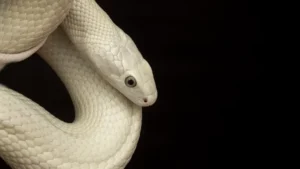
In Islamic Interpretation of Dreams, seeing a snake in a dream can have different meanings depending on the context. Often, a snake represents an enemy, hidden danger, or jealousy from someone close.
But it can also symbolize strength or personal growth if the dream feels empowering. Islam teaches us to reflect on how we felt in the dream; were you scared or calm? That feeling matters. In Islamic Interpretation of Dreams, symbols are not one-size-fits-all.
So if you see a snake, don’t panic. Instead, make dua, seek protection from Allah, and consider the bigger picture. Your dream might be telling you something deeper.
Let’s talk about a dream that can be really disturbing: seeing your husband with another woman in a dream. In the Islamic interpretation of dreams, this doesn’t necessarily mean infidelity or betrayal.
More often than not, this type of dream reflects inner insecurities, emotional distance, or fear of being replaced. Islam teaches us that Shaytan can plant disturbing images in our dreams to cause fitna (discord).
So if you’ve had this dream, don’t panic. Seeing husband with another woman in dream… Islamic interpretation suggests that you should look inward. Are you feeling neglected or insecure? It’s a reminder to strengthen your relationship through communication and prayer, not suspicion.
Such dreams are more about the self than the spouse. Islam emphasizes not acting upon bad dreams, especially those that cause doubt or hurt.
Dreams are windows into our hearts, our fears, and sometimes even our connection with the unseen. Islam treats dreams with importance, but also balances. While dream interpretation in Islam can guide and comfort us, it must be approached with wisdom, faith, and knowledge.
Whether you’re trying to understand seeing a dead person alive in a dream, or grappling with difficult dreams about relationships, know that Islam offers a framework rooted in spirituality and compassion.
Always remember, not every dream needs interpretation. But when they do feel significant, they seek clarity through prayer, trusted knowledge, and sincere reflection.
The interpretation of dreams in Islam should be done by scholars or people knowledgeable in Islamic texts and symbols. Dream meanings depend on context, spirituality, and the person’s condition, so proper Islamic understanding is necessary.
Some dreams in Islamic interpretation may indicate future events, especially true dreams. However, Islam discourages using dreams to make major decisions without reflection, prayer, and consultation. Dreams offer guidance, not guarantees.
It’s not haram as long as your belief is grounded in authentic Islamic sources and not superstition. The Prophet himself interpreted dreams, so belief in dreams and interpretation in Islam is permissible when done correctly.